This article contains affiliate links. If you book or purchase through these links, we may earn a commission at no extra cost to you.
Many first-time visitors wonder if Japan is still a cash-only country.
The short answer is: not anymore.
In major cities, airports, hotels, convenience stores, station buildings, and many restaurants, card payments are now much easier to use than many visitors expect.
But Japan is not fully cashless.
You do not need to exchange a large amount of Japanese yen before arriving, but you should still carry some cash as backup.
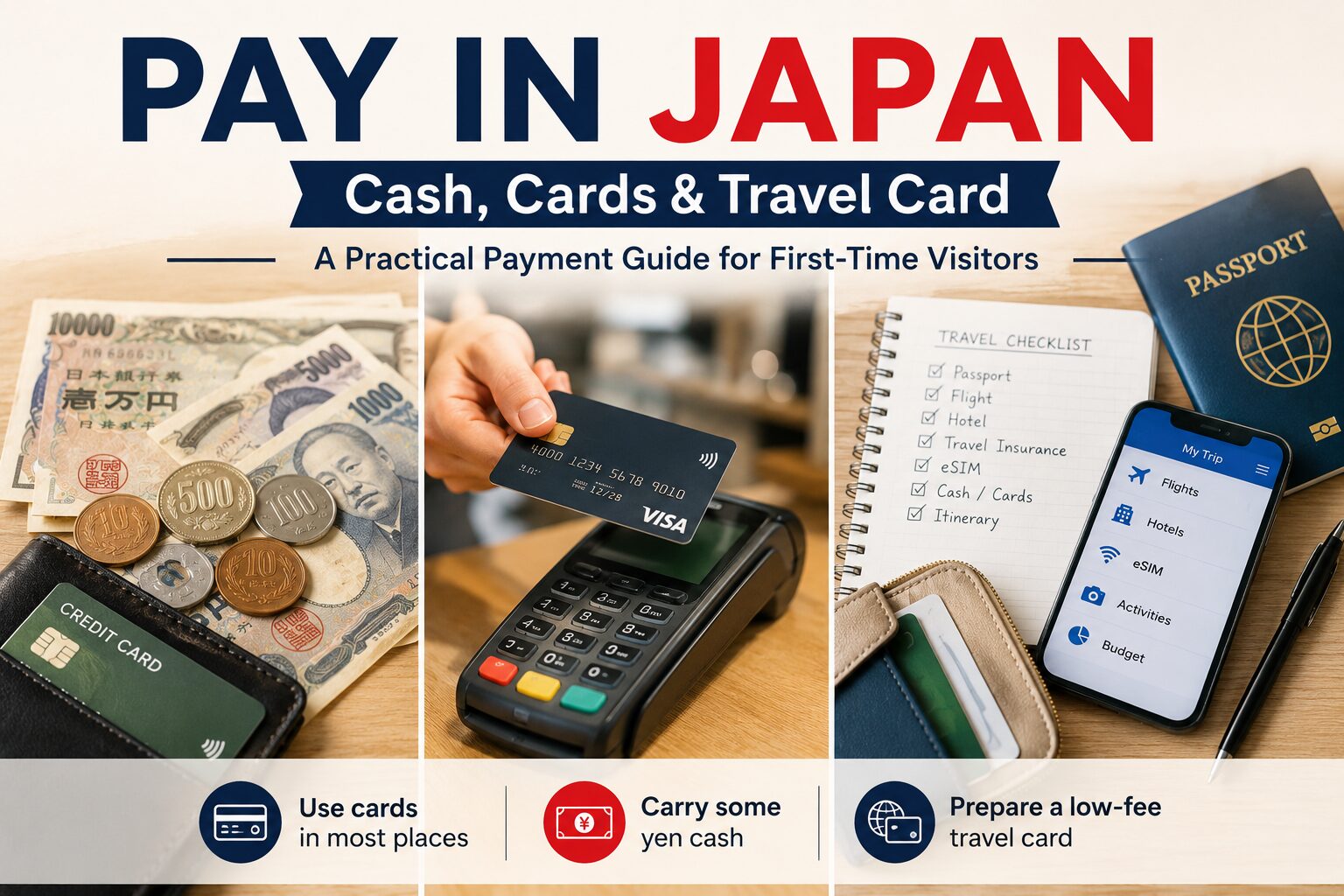
This guide explains a practical payment setup for your first trip to Japan.
Quick Answer: Japan Is More Cashless Than Many Visitors Expect
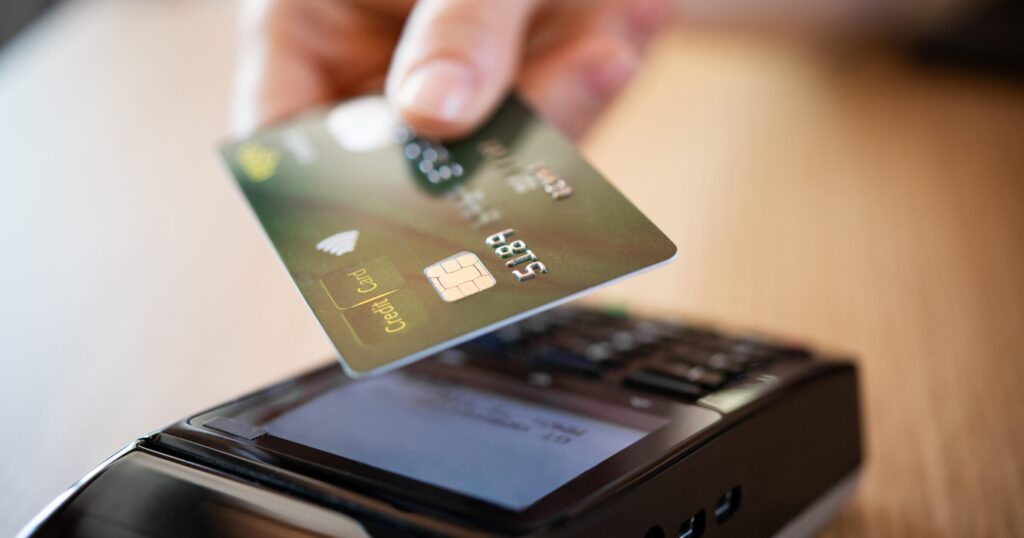
A realistic payment setup for Japan is simple:
- one main card for most payments
- one backup card
- some Japanese yen cash
- an IC card for trains and small daily payments
The important point is not to rely on only one payment method.
Japan is card-friendly enough that you do not need to depend only on cash.
But it is not cashless enough that you should carry zero yen.
Why Exchanging Too Much Cash Is Not Always Smart
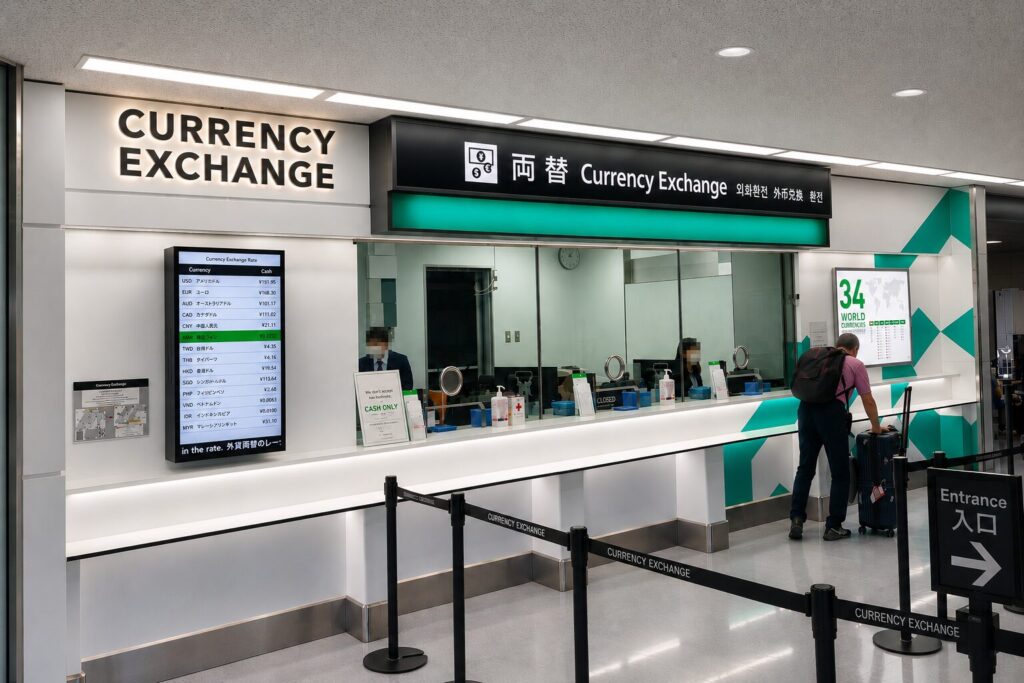
Many visitors still imagine that they need to exchange a lot of Japanese yen before coming to Japan.
That is usually not necessary, especially if you are visiting major cities such as Tokyo, Osaka, Kyoto, Fukuoka, or Sapporo.
Exchanging cash can be inconvenient because:
- you need to find a currency exchange counter
- exchange rates and fees can be hard to compare
- carrying too much cash is uncomfortable
- unused yen may need to be exchanged again after your trip
- if you exchange too little, you may need to find another exchange counter later
For most first-time visitors, it is better to avoid carrying a large amount of cash from the beginning.
Instead, use cards for most payments and keep a smaller amount of Japanese yen for places that still prefer cash.
This is closer to how Japan feels today in major travel areas.
Where Cards Work Well — and Where Cash Still Helps
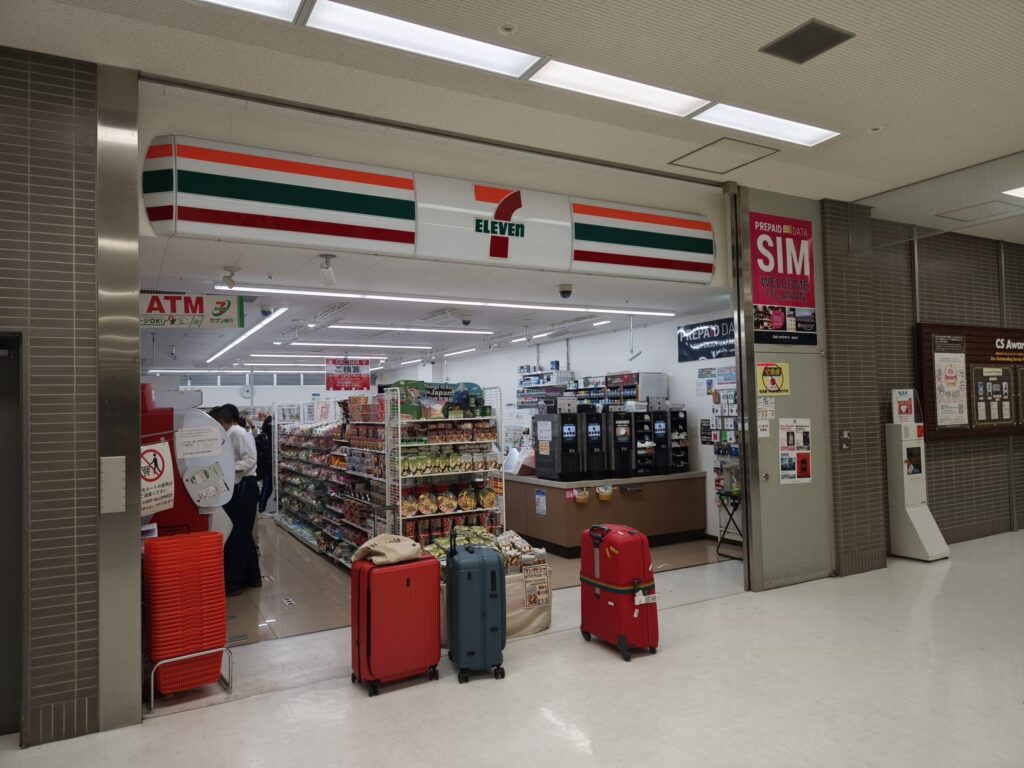
Cards are now widely usable in many places visitors use every day.
You can usually expect card payments to work well at:
- hotels
- airports
- department stores
- large shopping malls
- convenience stores
- station buildings
- major tourist shops
- many chain restaurants
- online booking services
This is one reason you usually do not need to exchange a large amount of cash before arriving in Japan.
However, cash still helps in some real situations.
You may still need or prefer cash at:
- small local restaurants
- small family-run shops
- temples and shrines
- local markets
- older ticket machines
- some coin lockers or small machines
- rural areas
- backup situations when a foreign card does not work
This is the practical reality in Japan.
In tourist-friendly areas, you can often pay by card.
But if you walk into a small local restaurant, visit a temple, or use an older machine, cash can still make things easier.
So the best strategy is not “cash only” or “card only.”
The best strategy is card first, cash as backup.
Credit Card Costs Can Still Add Up
Credit cards are convenient in Japan, but international card payments can still include extra costs.
When you use a card abroad, the payment may be converted from Japanese yen into your card’s billing currency.
The final amount can depend on:
- your card network
- your card issuer
- your bank
- your country
- the currency conversion used for the transaction
- your card’s international payment conditions
Your card issuer or bank may add foreign transaction fees or other international payment costs.
This may feel small for one convenience store purchase.
But it can add up across:
- hotels
- restaurants
- shopping
- transport
- attraction tickets
- convenience store purchases
For a short trip, the difference may not be large.
For a longer trip, or if you plan to spend a lot on hotels, shopping, and dining, payment costs can become more noticeable.
Before your trip, check whether your usual card charges foreign transaction fees or other international payment fees.
If your card has high overseas payment costs, it may be worth preparing a low-fee travel card before traveling to Japan.
Prepare a Low-Fee Travel Card Before Your Trip
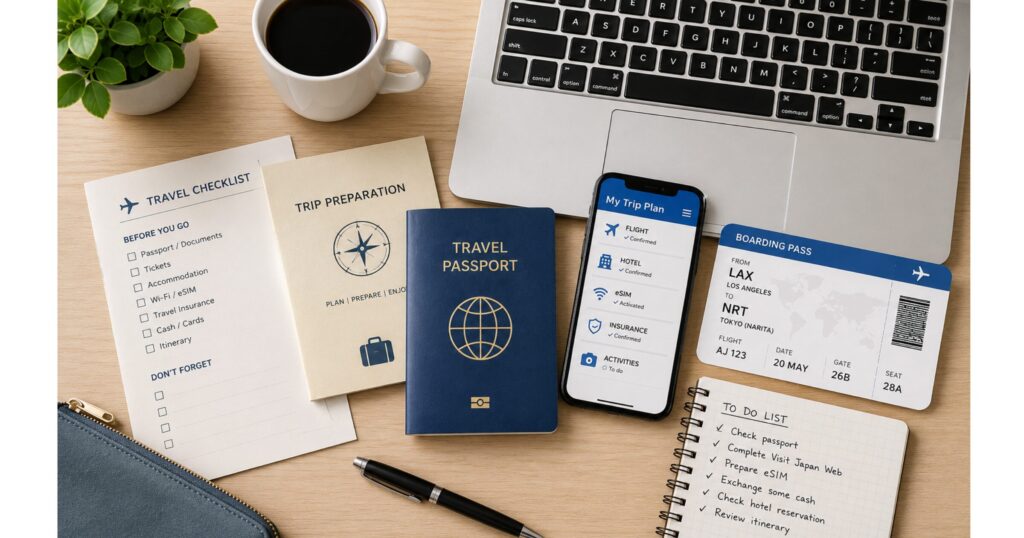
A low-fee travel card can be a useful option for international travel.
If your usual card charges foreign transaction fees, a travel card may help reduce payment costs while making it easier to manage different currencies.
Wise is one example. According to Wise, its card is designed for spending abroad without exchange rate markups and can be used in many countries and currencies.
If you plan to use a physical card, apply before your trip because delivery can take time.
Before applying, check:
- whether Wise is available in your country
- card delivery conditions
- currency conversion fees
- ATM withdrawal conditions
Wise may be useful if your usual card has high overseas payment fees.
Check Wise Card availability in your country →
You do not need Wise if your current card already offers competitive overseas payment fees. The important point is to check your options before traveling.
Final Advice
Japan is more cashless than many visitors expect.
In major cities and common tourist areas, you can use cards in many places.
But Japan is not fully cashless.
For most first-time visitors, the practical setup is:
- use a card for most payments
- carry some Japanese yen cash as backup
- prepare a backup card
- avoid exchanging too much cash before arrival
- consider a low-fee travel card if your usual card has high foreign transaction fees
Do not think of Japan as a cash-only country.
But do not travel with zero yen either.
A balanced payment setup will make your first trip to Japan much easier.