- Introduction
- Quick Recommendation
- What Is Welcome Suica?
- Welcome Suica Mobile vs Physical Card
- How to Use Welcome Suica Mobile on iPhone
- Useful Features of Welcome Suica Mobile
- Important Note About Availability
- What About Android Users?
- Where to Buy Welcome Suica Card
- Important Rules About Welcome Suica
- How Much Money Should You Add?
- Common Beginner Mistakes
- Practical Tip From a Local Japanese Perspective
- Want to Travel Outside Tokyo?
- Official Information
- Conclusion
Introduction
If this is your first trip to Japan, trains and ticket machines may feel confusing.
Many visitors worry about:
- how to buy train tickets
- how to use Tokyo subways
- how to pay for buses
- how to move around large stations
The easiest solution for most travelers is using Welcome Suica.
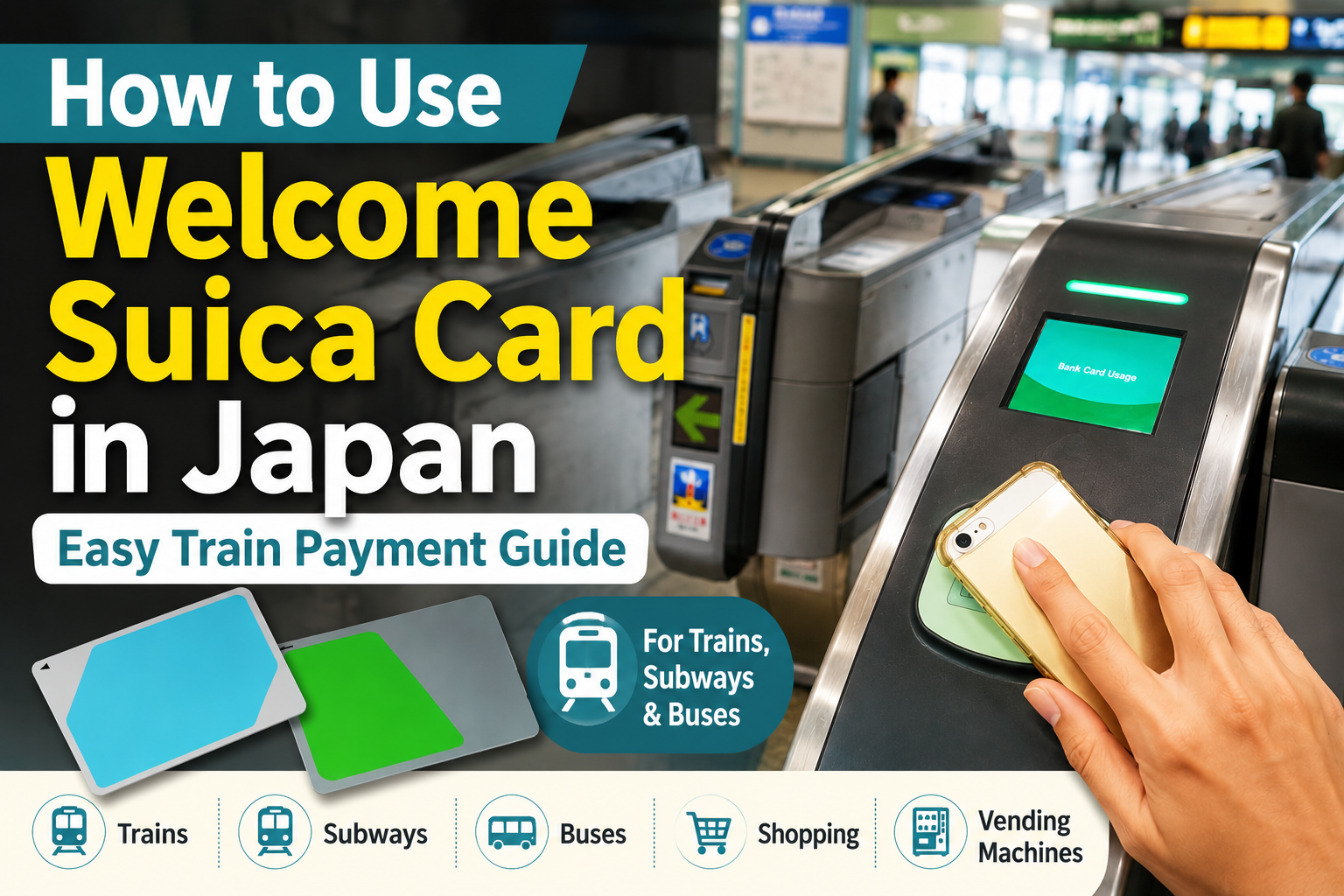
Welcome Suica is a prepaid transportation card for foreign visitors to Japan.
Instead of buying tickets every time, you simply tap and go.
For most first-time visitors, Welcome Suica makes traveling in Japan much easier.
Quick Recommendation
| Device | Recommended Option |
|---|---|
| iPhone | Welcome Suica Mobile |
| Android | Welcome Suica Card |
If you use an iPhone, Welcome Suica Mobile is usually the easiest option.
You can recharge directly from your phone and avoid ticket machines completely.
For most Android users, the physical Welcome Suica card is still the simplest and most reliable choice.
What Is Welcome Suica?
Welcome Suica is a prepaid transportation card designed for short-term visitors to Japan.
You can use it on:
- JR trains
- Tokyo Metro
- subways
- buses
- Tokyo Monorail
- many transportation systems across Japan
Welcome Suica can be used in many IC card areas across Japan.
However, you cannot use it to travel directly across different IC card areas. For long-distance travel between regions, buy a separate ticket.
You can also use it in many places such as:
- convenience stores
- vending machines
- drug stores
- restaurants
- some taxis
You simply tap your phone or card at the ticket gate.
The fare is automatically deducted.
For most travelers, it is one of the most useful things to prepare for Japan travel.
Another tourist transportation card called “TOURIST PASMO” is also available in Japan.
For most first-time visitors, Welcome Suica and TOURIST PASMO work very similarly for trains, subways, buses, and shopping.
If you are unsure which one to choose, Welcome Suica is still one of the easiest options for beginners.
Welcome Suica Mobile vs Physical Card
| Feature | Welcome Suica Mobile | Welcome Suica Card |
|---|---|---|
| Best For | iPhone users | Android users |
| Device Needed | iPhone / Apple Watch | Physical card |
| Recharge by phone | Yes | No |
| Ticket machine needed | Usually no | Sometimes |
| Deposit | No | No |
| Tourist-friendly | Yes | Yes |
For most iPhone users, Welcome Suica Mobile is now the easiest option.
You can recharge directly from Apple Pay and travel without using ticket machines.
How to Use Welcome Suica Mobile on iPhone
Welcome Suica Mobile is designed for foreign visitors using iPhone or Apple Watch.
Once setup is complete, you can travel through stations simply by tapping your phone.
Step 1 — Download the App
Download the official Welcome Suica Mobile app.
The app works on:
- iPhone
- Apple Watch
Step 2 — Create Your Welcome Suica
Open the app and create your Welcome Suica.
The setup is simple and designed for tourists.
In most cases, you do not need complicated registration.
Step 3 — Add Money Using Apple Pay
You can recharge directly from Apple Pay.
This means:
- no cash needed
- no ticket machine needed
- easy recharge anytime
This is especially convenient inside busy Tokyo stations.
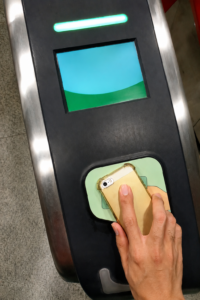
Step 4 — Tap at the Ticket Gate
Simply tap your iPhone or Apple Watch at the gate.
You usually do not need to unlock your phone every time.
Travel becomes much faster and easier.
Useful Features of Welcome Suica Mobile
Welcome Suica Mobile also includes useful travel functions.
Depending on the latest app version, you may be able to:
- check train information
- search routes
- access tourist information
- connect with JR East train services
For first-time visitors, this can make traveling in Japan much easier.
Important Note About Availability
In some countries or regions, Apple Pay charging or setup may not work correctly before arriving in Japan.
If setup does not work before departure, try again after arriving in Japan.
What About Android Users?
Many Android phones purchased outside Japan do not fully support Japanese transit IC systems.
Because of this, the easiest option for most Android users is:
- Welcome Suica Card
This is the physical version of Welcome Suica.
It is simple, reliable, and designed for tourists.
Where to Buy Welcome Suica Card
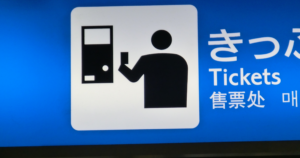
You can buy Welcome Suica at selected JR East locations, including Narita Airport Station, Airport Terminal 2 Station, Haneda Airport Terminal 3 Station, and some major stations such as Tokyo, Shinjuku, Shibuya, Ikebukuro, Ueno, Yokohama, and Sendai.
Availability may change, so it is a good idea to check the official JR East website before your trip.
Important Rules About Welcome Suica
Welcome Suica is designed for short-term visitors to Japan.
There are a few important rules you should know before using it.
Physical Welcome Suica Card Is Valid for 28 Days
The physical Welcome Suica card is valid for 28 days from the day of purchase.
Welcome Suica Mobile is different. Its balance expires 180 days after issuance, according to the App Store description.
No Deposit Required
Unlike regular Suica cards, Welcome Suica does not require a ¥500 deposit.
This makes it easier for tourists.
Remaining Balance Is Generally Not Refundable
Because Welcome Suica is designed for visitors, remaining balance is generally not refundable.
It is better to recharge gradually instead of adding too much money at once.
How Much Money Should You Add?
For most travelers:
| Travel Style | Recommended Initial Charge |
|---|---|
| Short Tokyo trip | ¥3,000–¥5,000 |
| Tokyo + other cities | ¥5,000–¥10,000 |
You can recharge anytime, so there is no need to add too much at first.
Common Beginner Mistakes
Many first-time visitors make similar mistakes when using trains in Japan.
Knowing these in advance can reduce stress during your trip.
1. Buying Train Tickets Every Time
Ticket machines can feel confusing for first-time visitors.
Using Welcome Suica is usually much easier.
2. Forgetting to Tap Out
Always tap when exiting the station.
If you forget, your card may show an error next time.
Station staff can usually help fix this quickly.
3. Charging Too Much Money
Because remaining balance is generally non-refundable, avoid adding too much money at once.
4. Expecting It to Work Everywhere
Welcome Suica works in most major cities.
However, some rural buses and small local areas may still require cash.
Keeping a small amount of cash is still a good idea.
Practical Tip From a Local Japanese Perspective
In Tokyo, most local commuters now use IC cards or mobile transit payment every day.
Because of this, stations are designed assuming passengers will tap through the gates quickly.
For first-time visitors, using Welcome Suica usually reduces stress significantly compared to buying paper tickets every time.
Want to Travel Outside Tokyo?
If you plan to visit areas outside Tokyo, JR East also offers special discount tickets and rail passes for foreign visitors.
Popular options include:
- Narita Express (N’EX)
- Tokyo Wide Pass
These passes may help reduce transportation costs depending on your travel plans.
We will explain these options in separate guides.
Official Information
For the latest official information, you can also check the official JR East visitor website.
The site includes:
- Welcome Suica information
- train travel information
- airport access guides
- rail pass information
Conclusion
For most first-time visitors to Japan, Welcome Suica is the easiest way to travel around Japan smoothly.
If you use iPhone:
- Welcome Suica Mobile is usually the best option.
If you use Android:
- Welcome Suica Card is usually the easiest choice.
Once you start using it, trains and stations in Japan become much easier to understand.